
LEARN TO SPEAK GAME DESIGN:
YOUR CAREER DEPENDS ON IT
"Writers who get design don't just survive in games. They thrive."
Imagine landing a job working with your favorite game designer.
Would you be ready to collaborate with them?
You will be after you take this course!


WHAT HAPPENS WHEN YOU'VE LANDED THE DREAM JOB...
BUT YOU CAN'T GET
YOUR WORK DONE
As a writer in games, you've felt it.
That deep frustration when your carefully crafted story
gets mangled by mechanical changes. 😫
The confusion when designers use terms you don't understand,
or dismiss your ideas without really hearing them. 🤦
The sinking feeling when you realize no one has read your story documentation, AGAIN. 😭
You're not alone. It's not just you.
This is what we hear from game writers, over and over again:

Systems and Mechanics Are ???
"Writers tend to panic when they can't connect to the systems...there needs to be a clear link between narrative and gameplay." - Philip C

Writers Are Shut Out Of The Design Process
"Design should not drive the entire game. Sometimes narrative needs to take the lead, but that won't happen if we aren't part of the conversation early on." - Andrew A

Scope Keeps Creeping
"In a small studio, I see designers over-engineer mechanics, making a simple quest needlessly complex. Writers then struggle to fit within that, and the project balloons." - Leia F

We Don't Speak The Same Language
"The narrative team kept begging, 'What can we do in the game?' They were asking for the systems, but didn't know how to communicate that. There was no clear language." - Mario M
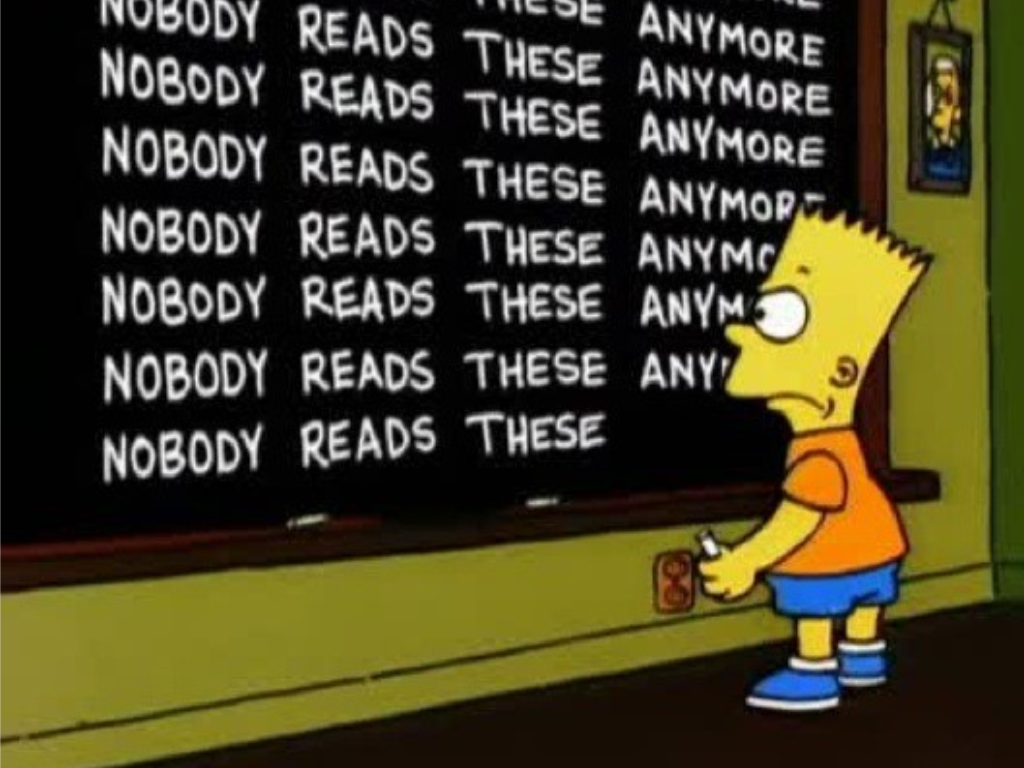
Nobody Reads The Documentation
"In a perfect world, we'd have shared documentation for everything - clear, concise, and accessible to both design and narrative teams." - Shelina K
AND THAT DRIVES WRITERS CRAZY
At first glance, these might seem like separate problems.
But they all have the same root cause:
Writers and designers speak different languages.
We come at the same creative challenges from completely different worlds.
When writers think "character arc," designers think "player progression."
When writers envision "emotional climax," designers see "difficulty spike."
This isn't just a communication gap -
it's a fundamental disconnect in how each group approaches their work.
And until we build a bridge between these two worlds,
both the story and the game mechanics suffer...
...and so will your career.


LET'S FIX THAT...
BECOME THE WRITER THAT SPEAKS DESIGN
Imagine walking into a design meeting feeling excited, instead of anxious.
The technical terms don't confuse you anymore -
they're just tools you know how to use.
When a designer starts talking about systems and mechanics,
you know right away what that means for your story.
Your design colleagues don't treat you as "just the writer" anymore.
They want you in their meetings. They want to know what you think.
You're not just sneaking by anymore - you're in the center of the project.
That constant anxiety about miscommunication has disappeared,
replaced by the confidence of someone who can navigate both worlds.
When conflicts arise (and they will),
you know how to navigate that - and come out with a stronger playable story.
This isn't just about making your job easier.
It's about becoming the kind of writer who shapes better games
by building bridges others can't see.
The kind of writer designers fight to have on their team.
Be that writer.

Bringing Teams Together
"I feel like I learned so much about writers and their relationship to design and designers. I feel way more prepared to go into interviews with designers and feel a lot more empowered as a writer at a studio."
- Katelynn Kenney, Narrative Designer, Magic Tavern

TND PRESENTS
GAME DESIGN FOR WRITERS
Welcome to The Narrative Department's newest course,
taught by superstar designer Will Shen.
Will is currently a Lead Designer at Unknown Worlds Entertainment (the Subnautica folks) and was previously a Design Director at Bethesda Game Studios.
If you've played Skyrim, Fallout 4, or Starfield, you know his work.
Will's a designer who can actually explain what designers do
in a way that makes sense to writers.
Course Structure
- Six-week course
- 30+ in-depth recorded lessons
- Weekly practical exercises
- Weekly 90-minute live Ask Me Anything sessions with Will on Saturdays from 11 - 12:30pm Central
- Weekly live coworking sessions on Wednesdays
- Lifetime access to all course materials

WHAT YOU'LL TAKE AWAY
- Get Inside the Designer's Mind: Ever wished you could see your stories the way designers do? You'll learn to view your narratives through the lens of systems and mechanics, making you an invaluable bridge between story and gameplay.
- Turn Creative Tensions into Gold: Those writer-designer arguments? They're opportunities in disguise (really). You'll learn to harness these differences to create something even better than either of you imagined on your own.
- Become a True Collaborator: Master the vocabulary and concepts you need to ensure your ideas not only survive but thrive throughout the development process.
Take your skills to the next level by mastering this crucial intersection between narrative and design.
MODULE 1
GAME DESIGN 101
Get a behind-the-scenes look at how game designers work their magic.
In this module, you'll discover:
- The hidden connection between objects and emotions that designers see everywhere
- Meet the real Mario: A masterclass in object relationships that shaped gaming forever
- Meet your future collaborators: The different disciplines of game design
- The art of playing pretend: How designers move between creator and player
- Why designers say they don't care about story (and what they REALLY mean)
By the end of this module, you'll be ready to start closing the communication gap between you and your designer.

MODULE 2
THE LANGUAGE OF GAME DESIGNERS
In this module, we'll break down the mystery of game-design language, and explore ways you can connect with designers on their terms.
In this module, you'll discover:
- Lost in translation: The secret reason designers and writers talk past each other
- The Rosetta Stone of game design: Why understanding concepts, not just words, is the key
- The universal language: How to connect with any design team, anywhere
By the end of this module, you'll be ready to "speak design" at last.
MODULE 3
WHEN DESIGNERS AND WRITERS MEET
In this module, we'll take an honest look at the divide between writers and designers, and share ways you can bridge that gap to become a true team.
This module includes:
- Tribes at work: How the writer-designer divide quietly sabotages your game (and what you can do about it)
- Stop writing novels, start writing telegrams: The art of designer-friendly docs
- Beyond Word docs: Why understanding engine 'strings' makes you a better game writer
- Find your design ally: Building bridges from the bottom up
By the end of this module, you’ll be armed with practical strategies you can use to foster strong, productive relationships with the rest of your team, one step at a time.

MODULE 4
MANAGING CHANGES TO DESIGN AND STORY
In this module, we will share a roadmap for navigating the constant changes that occur for both the design and the narrative departments.
In this module, you'll discover:
- Map the invisible boundaries: How to know who owns what in game development
- Their prototypes are your drafts: Building story-design understanding
- When everything's in flux: The art of writing on quicksand
- Watch together, grow together: Turn playtests into trust-building exercises
By the end of this module, you'll know how to manage scope creep - yours and theirs - and how to develop a creative process with your designer.
MODULE 5
CONFLICT RESOLUTION
Conflict is not a sign of failure. In fact, conflict is inevitable whenever the future of a project is unknowable (and it always is). Successful teams learn how to manage conflict, when to compromise, and when to disagree and commit. Learn their mysterious ways!
In this module, we'll talk about:
- Stop trying to avoid conflict. Start making it useful
- The superpower of asking 'Why?' when you want to scream 'No!
- Why the best teams run towards fires, not away from them
- When insecurity drives decisions: Your survival guide to creative leadership
By the end of this module, you’ll be ready to resolve conflicts - which is the secret behind all successful games.


MODULE 6
INTERVIEWING WITH DESIGN TEAMS
In this module, we will discuss the hiring process, and how to prepare for an interview with designers on the project. Few studios have clarity on what your job will really be; a few key questions will help you clearly define your new role.
In this module, you'll discover:
- Beyond your portfolio: What designers really want to hear you talk about
- The questions that reveal your real job (before you accept the wrong one)
- The org chart is a fairy tale: Navigate the real power structure
- The expert in the room: Position your writing as a design superpower
By the end of this module, you’ll feel confident, prepared - and ready to crush it at work.

MAKING THE DECISION
CAREER AT THE CROSSROADS?
Here's a hard truth about game writing: kickass writing skills alone won't get you where you want to go. Just ask any senior writer in the industry - to advance beyond junior level, you need to speak the language of game design.
THE REAL COST OF THE DESIGN-WRITING GAP
Without a deep understanding of game design principles, you might find yourself:
- Working endless hours on rewrites because designers see your first drafts as "bad writing" rather than works in progress
- Watching helplessly as your carefully crafted narratives get altered without your input
- Struggling to justify your creative decisions in ways that resonate with the design team
- Getting passed over for senior positions despite your writing talents
According to Skill Search's 2024 Games Survey Report, the salary progression in game writing tells a clear story:
- Junior Writer: $40,000
- Mid-Level Writer: $50,000
- Senior/Lead Writer: $80,000
- Director: $130,000
Advancing beyond junior level requires more than just writing skills - it requires the ability to work with designers. The gap between a junior and senior writer isn't just $40,000 a year - it's the difference between being seen as "just the writer" and instead being recognized as a essential creative partner in game development.
YOUR INVESTMENT IN CAREER GROWTH
This isn't just a course - it's the missing link between where you are and where you want to be. You'll learn to:
- Present your ideas in ways that immediately click with designers, so they support your ideas, instead of resist them
- Frame your ideas within game systems and mechanics - which lets the designer know you're thinking about the game as well as the story
- Transform designer feedback from "WTF" to "hey, that makes this better"
- Position yourself as the essential go-between for story and gameplay
OUR PROMISE TO YOU
We stand behind this course with a 14-day money-back guarantee.
If you aren't completely satisfied with Game Design For Writers, let us know within the first 14 days for a full refund. No questions asked.
MEET YOUR INSTRUCTOR:
DESIGNER WILL SHEN
(The Elder Scrolls V: Skyrim, Fallout 4, Starfield)

Will Shen has over 16 years of games industry experience. He is a Lead Designer for Unknown Worlds Entertainment, the studio that created Subnautica.
Prior to joining Unknown Worlds, Will was a Lead Content Designer for Something Wicked Games and was a Design Director at Bethesda Game Studios. He was a Quest Designer and Writer for The Elder Scrolls V: Skyrim, Fallout 4, and Fallout: 76, as well as the Lead Designer for the critically acclaimed Fallout 4 DLC Far Harbor, and the Lead Quest Designer for Starfield.
Will is a designer who can actually explain what it is designers do. YES!!
Industry Leader As Teacher
Learning directly from a seasoned, well-regarded industry leader like Will....who also happens to be a great teacher? Sign me up.
- Lee Seymour, Writer/Producer/Narrative Designer
