
Be the game writer your team can't live without
The only course built around what studios are really looking for now— writers who know how to work with their team.
The game writing industry right now is tricky. Layoffs. Restructuring. Studios being pickier than ever about who they hire — and who they keep.
You're not imagining it. The situation is real.
And yet: writers are still getting hired. Projects are still getting made. The writers who are thriving right now aren't the ones with the most impressive credits — they're the ones who know how to work with their team.
That's the skill that separates good writers from the ones teams never want to lose.
Masterclass One is where you'll learn it.

How it started
Good at writing, terrible at the room
I knew I wanted to be a writer from the time I was four years old. And when the chance to write for video games came along, I jumped at it. (I didn't get that first job because I was the best writer in the room; it was because it was a slumber party game, and I was the only applicant who had actually BEEN to one. You take your breaks where you can get them!)
Once I was on the job, I figured out fast that my love for writing wasn't going to be enough.
I can remember sitting in meetings where we would start by talking about a side quest's narrative, and within two minutes, we'd be talking about map loading and frame rates and state changes. I had no idea what was happening. So I'd smile. Take notes. Stay quiet. Try to look like I knew more than I did.
I learned the hard way what that costs you. When you can't contribute, you stop getting invited. And when you stop getting invited, you stop mattering to the team.
The time I wrote the wrong game
Years ago, I was working on a AAA project for LucasArts. For a while, the design department was in turmoil. No lead designers attached to the project. Just me and the story.
At the time, I didn't think "Uh oh" (which is what I should have thought). Instead, I thought "Yay!" I was thrilled. Peace and quiet! No meetings! I put my head down and wrote a buddy story for the co-op campaign. I was really proud of it.
Then new designers came on. New creative direction: single player. Surprise!
Every word I'd written went straight into the trash. (A buddy story can't work if there's no buddy.)
In retrospect, I should have seen it coming. I'd been writing in a vacuum. I was writing for a game that the team just wasn't building anymore. I wasn't in the rooms where those decisions were being made. I hadn't built good relationships with people who might have given me a heads-up. I just kept writing — and assumed that good work would be enough.
Here's what I know now: good work isn't enough. Not when you're making something with a team.
Here's what I know now: good work isn't enough. Not when you're making something with a team. That's why Masterclass One exists.

NOW ENROLLING - THE NARRATIVE DEPARTMENT'S
GAME WRITING MASTERCLASS
Professional development for the career you're already building.
MC1 is eight weeks of training built around the thing nobody else is teaching: how to do this job with other people. This course is designed to help you not just hone your game-writing skills, but also learn how to work across disciplines, and discover the true ins and outs of working at a studio — plus the Rehearsal Room, where you practice real situations before you encounter them at work.
Built and taught by Susan O'Connor — BioShock, Far Cry, Tomb Raider, founder of GDC's Game Narrative Summit — and shaped by the writers, narrative directors, and studio leads who know exactly what this job demands right now.
Our alumni are now at Blizzard, Bungie, EA, Firaxis, Wizards of the Coast, and dozens more. Not because they got lucky, but because they got serious.
SEE PRICING AND ENROLL
Student Success Stories
"I was hired right out of the class into my first job at a larger studio."
"I feel like the masterclass was a key part of that and I'm just so grateful for the class, for Susan and her TAs, and for just the remarkable network that I've been able to build through this class."

"'My confidence just really skyrocketed."
"I came out of the course with this more profound understanding of myself, of what I want to do, and of what I already can do. I needed the confidence within myself to write again, to feel that my writing was even worthy in the first place."
"[I learned] what my bad habits were and I didn't know they were bad habits at the time."
"If you're a veteran and you want to give your skills an overhaul, if you want to just do a check to see what habits you can improve upon, this is the place to do it without judgment."
Want more?
Watch 25+ video stories from TND alumni working at studios both big and small - from Blizzard and Disney to cutting-edge indies.

Our Alumni Are Now Working At:
- Bad Robot Games
- Blizzard
- Bungie
- Crimson Herring
- Crystal Dynamics
- Deck Nine
- Deviation Games
- Disney
- EA
- Firaxis
- Jam City
- Kluge Interactive
- Massive Games
- Monumental
- NetEase
- Paradox Interactive
- Spooky Doorway
- System Era Softworks
- Tencent
- Undead Labs
- Wizards of the Coast
- ZeniMax
This is a partial list. And it isn't luck. This is what happens when you get the professional training that sets you apart.
How Our Masterclass Works
This updated version of our course is built around something no other game-writing course offers: the Rehearsal Room. Every serious creative discipline (theater, film, music) has a rehearsal practice. A place to try things and improve, before the stakes are real.
In games, we need a rehearsal practice too. Not just for the work, but for THE JOB. Professional training.
We haven't had that. Until now.
Throughout the eight weeks, you'll rehearse real studio situations before you encounter them on the job. A pitch that needs to land. Feedback that stings. A room that's turned against your idea. You practice it here, with coaching, in a low-stakes environment, so when these moments happen at work (and they will), you won't feel like a deer in the headlights - instead, you'll feel like the prepared professional you are.
THE CURRICULUM
SELF-STUDY MODULE
Before We Begin: The Craft Underneath the Job
A self-study orientation that meets you where you are. Whether you're already working in a studio or still building toward it, this is where we establish a shared foundation — and where you start to put language to things you may have been doing on instinct for years.


MODULE 1
How story works in games — and how to talk about it with your team
Most writers are winging it. This module gives you a framework you can articulate, defend, and build on — so you're never just going on instinct in a room full of designers.
MODULE 2
Characters and the pipeline that brings them to life
How to build characters that work for players, for gameplay, and for the team building around you.

MODULE 3
Writing for the player and the team — navigating feedback under pressure
How to keep the story on track when the project isn't. Difficult conversations, competing priorities, and how to protect what matters without torching relationships.
MODULE 4
Building with designers
Game writers don't work in isolation. This module is about how to collaborate with the people building around your story — and how to make sure your story survives contact with the rest of the team.


MODULE 5
Making the most of where you are in your career
MODULE 6
Your next move
Career strategy for where you actually are — not generic advice, but specific tools for the moment you're in.

MODULE 7
The long game — AI, community, and the career you're building
Also included as bonus modules:
Practical guidance on writing samples, portfolios, and job search strategy — for writers who are actively building toward their next role.
What You'll Get

Eight weeks of live training — not a video library you'll never finish
Weekly live sessions with Susan: Ask Me Anything calls, coworking sessions, and Rehearsal Room exercises. This isn't a "watch videos alone" experience — it's a proper class.

A small cohort of serious writers
We keep MC1 small on purpose, with a dedicated TA for every group. You'll know the people in your cohort. They'll know your work. You'll never get lost in the crowd.
Written feedback from working game writers
Every week, a professional game writer reads your work and responds to it. Not a rubric. Not a form letter. A real response from someone doing this job right now. (Side benefit: such a good way to grow your network!)

Exercises designed by working writers
Every assignment is built to develop real skills — and to give you work you can stand behind with pride. No more cringing! You'll vet your work with your fellow writers, who will help you shape your work, so that in the end you KNOW you've delivered the goods.
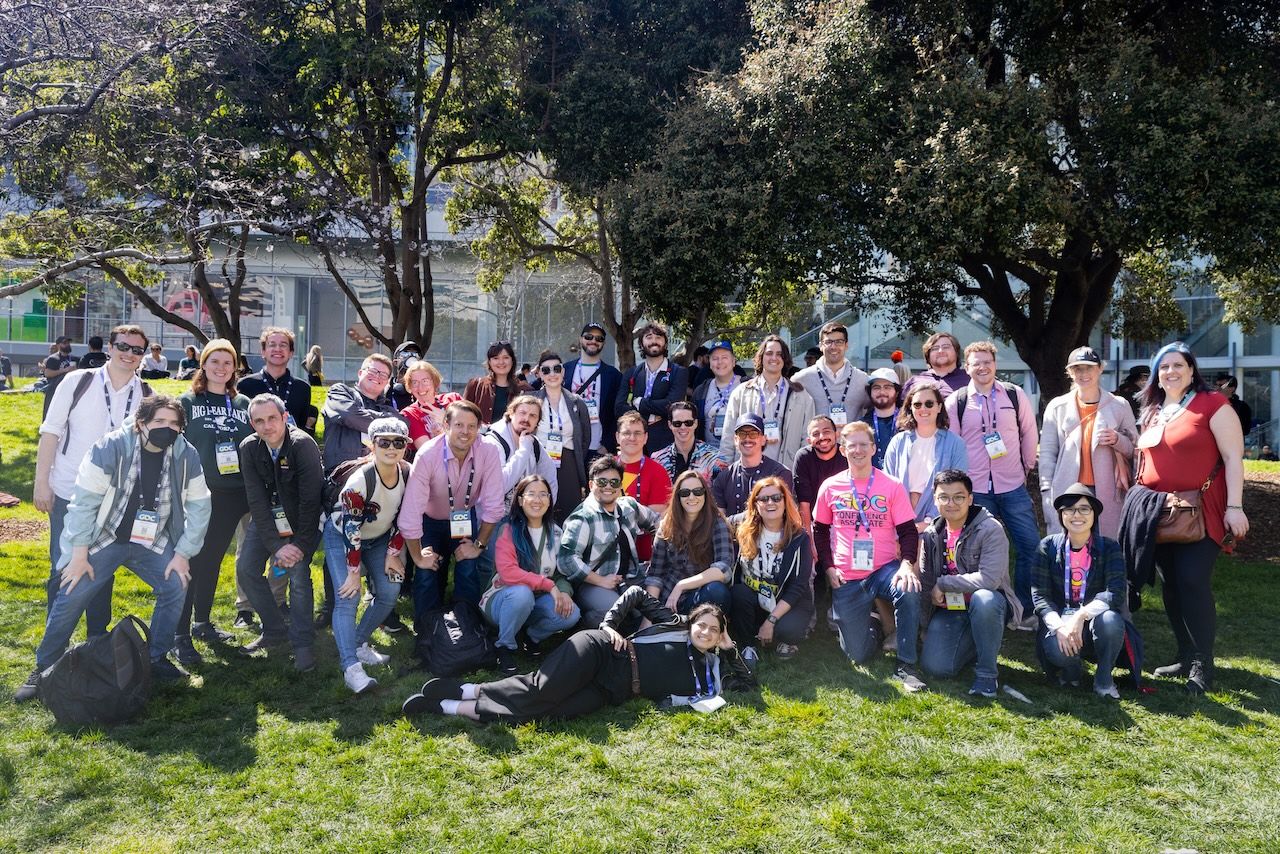
A professional community that outlasts the course
The writers you meet in MC1 are your colleagues - now, and for years to come. They're the ones who send you job leads, read your drafts, and show up for you long after class ends. (Also: fantasy football leagues, if that's your thing.)

Lifetime access to everything
All recorded lessons, frameworks, and resources are yours to keep. Come back whenever you need them. We do this because, as creatives, we never stop growing and learning, and some lessons become even MORE impactful as the years go by.
Pro Tier: Mentorship from Working Game Writers
MC1 includes written feedback every week from a professional game writer — a different voice each week, so you're learning to incorporate notes from multiple industry perspectives. Just like you will on the job.
Here's how it works:
Each week, you'll meet your Pro Reader in a small Zoom group. They'll walk you through what they're looking for, then give you detailed, specific feedback on your writing choices, story decisions, and how your work would land in an actual game.
You'll work with writers who are working (or have worked) at Bungie, Dark Outlaw Games, High Moon Studios, Lost Boys Interactive, Massive Entertainment, Netflix Games, and Paragon Interactive.
This isn't just feedback — it's professional training from the people doing this work right now.
Spots are extremely limited. Each Pro Reader works with just three writers per week. When those spots fill, they're gone until our next session.
Try Masterclass One for 14 days — on me.
I've put everything I know into this course. I believe in it completely. But I also know that trust has to be earned, and you don't know me well enough yet to take that on faith.
So here's my promise: if you show up for the first two weeks and MC1 isn't what you needed, email me. I'll refund every penny, no questions asked.
I'd rather you have your money back than feel stuck in something that isn't right for you.


Hi. I'm Susan O'Connor.
My first game writing job was for "a slumber party game — for girls!" I've been at this ever since — 25+ titles including BioShock, Far Cry, and Tomb Raider, with over 30 million copies sold and $500 million in sales.
I founded GDC's Game Narrative Summit, and I work with studios and publishers to help teams ship great games with great stories. I know this job backwards and forwards — the craft, the politics, the mistakes, and the moments when everything clicks. I learned so much of it the hard way! And I built this class to make life easier for the next generation of writers.
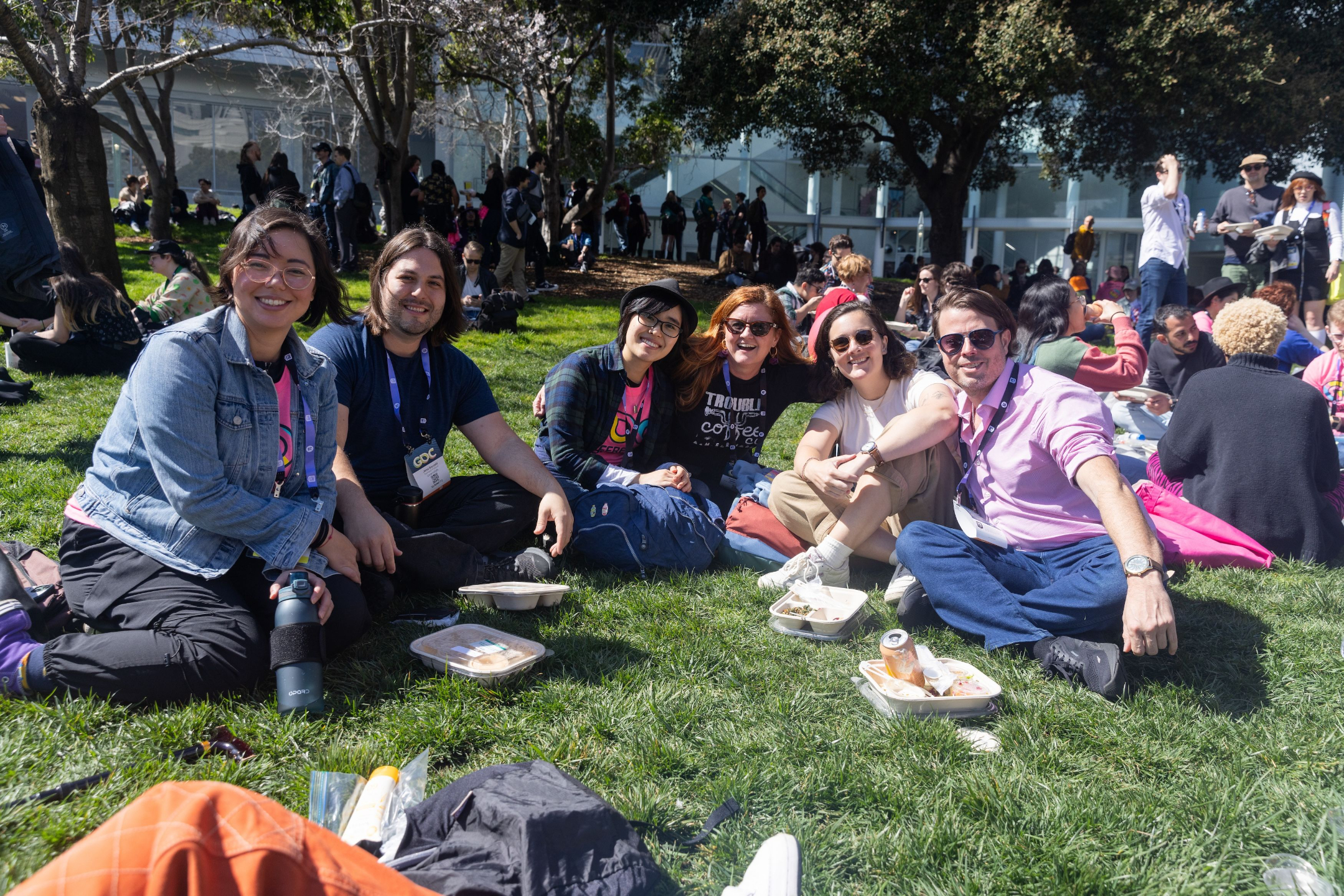
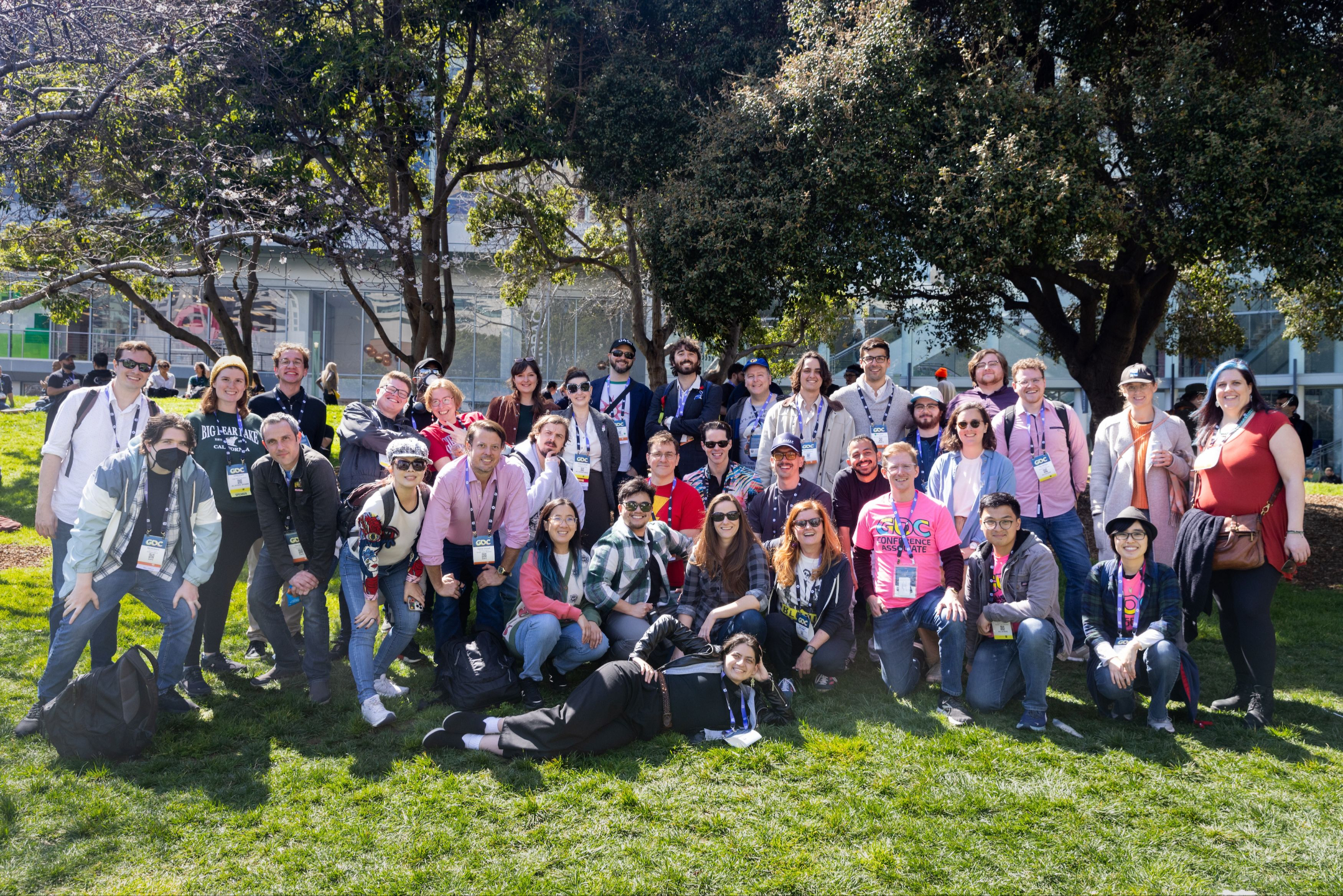
Here we are in Yerba Buena for one of our TND-at-GDC picnics - I'm the redhead. 👋🏻
Your Course Certificate Awaits


JOIN THE NARRATIVE DEPARTMENT'S
GAME WRITING MASTERCLASS
Self-study modules unlock Saturday, March 28th
First day of class is Saturday, April 4th
